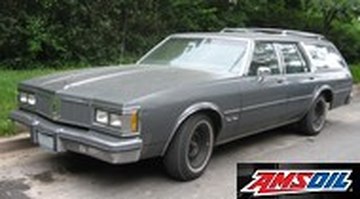
Maintaining Lubrication Integrity for the 1980 Oldsmobile CUSTOM CRUISER 5.0L
Proper engine maintenance is a cornerstone of long-term vehicle health, particularly when managing an engine from the early 1980s. For the 1980 Oldsmobile CUSTOM CRUISER equipped with a 5.0L engine, consistent attention to lubrication and fluid integrity ensures that mechanical components continue to operate as intended. While modern vehicles often feature automated monitoring systems, older engines require more proactive, manual oversight from the owner to identify potential issues before they escalate.
Monitoring Fluid Condition and Potential Leaks
One of the most effective ways to monitor the health of a 5.0L engine is through regular visual inspections of the lubrication system. Over time, various seals and gaskets may experience changes in their ability to maintain a tight seal. It is useful to periodically inspect the area around the engine for any signs of fluid seepage or active leakage. Finding evidence of oil residue on the engine block or near sealing surfaces can be an early indicator that a component requires attention.
When performing these inspections, look for:
- Dampness or oily residue on various engine components and mating surfaces.
- Puddles or spots on the ground beneath where the vehicle is parked.
- Changes in the color or consistency of the oil when checked via a dipstick.
If you notice an unusual amount of lubricant being consumed between service intervals, this warrants further investigation. It is important to remember that changes in fluid levels can be associated with several different factors, and a single symptom does not always point to one specific cause. A professional inspection can help determine the exact source of any loss.
Prioritizing Maintenance Based on Current Condition
For owners of a 1980 Oldsmobile CUSTOM CRUISER, effective maintenance is often more about responding to the actual condition of the vehicle rather than strictly following age-based assumptions. Because every vehicle has been subjected to different operating environments and driving habits, a "one size fits all" approach to service can be inefficient.
A practical strategy involves establishing a maintenance baseline. If you do not have access to a complete history of previous repairs and fluid changes, your first priority should be to document the current state of the engine. This includes noting any existing leaks, the current condition of visible hoses or belts (if equipped), and the frequency of oil consumption. Once this baseline is established, you can transition from reactive repairs to more structured preventive maintenance.
When deciding where to focus your efforts, address active concerns first. An active leak or a noticeable change in how the engine sounds should take precedence over general cosmetic or non-essential service tasks. By focusing on these high-priority items, you can manage the vehicle's longevity more effectively and avoid the complications that arise from deferred maintenance.
Observing Changes in Engine Operation
Beyond visual inspections, paying close attention to how the engine behaves during operation provides valuable data. Subtle changes in performance or sound can often be early indicators of lubrication-related issues. For instance, if you notice unusual mechanical noises that were not previously present, it may indicate that the lubrication is not performing optimally under certain conditions.
Similarly, keep an eye on any warning indicators provided by the dashboard. If a warning light appears, it should be investigated immediately. Furthermore, pay attention to any changes in exhaust characteristics; while many factors can influence exhaust appearance, sudden or unusual changes are worth noting during your routine checks. Always approach these symptoms with the understanding that they may indicate various underlying issues, and professional diagnosis is often necessary to confirm the cause.
Managing Aging Components and Materials
As a vehicle from 1980 ages, certain materials naturally undergo changes. Rubber components, such as hoses or belts (if equipped), can become brittle or lose their flexibility over several decades. It is prudent to inspect these accessible parts for signs of cracking, glazing, or fraying. While the presence of age does not automatically mean a part has failed, regular monitoring allows you to replace aging materials before they fail during operation.
Electrical connections and wiring should also be inspected periodically. Ensuring that connectors are secure and free from significant corrosion helps maintain the integrity of the engine's electrical systems. Consistent observation of these components is a key part of a comprehensive maintenance routine for an older vehicle.
The Role of Clean Lubrication in Engine Health
Engine oil performs several vital roles that go beyond simple lubrication. It acts as a medium to help manage heat within the engine and helps to carry away contaminants that can accumulate during the combustion process. Over time, these contaminants can lead to the formation of deposits or sludge if the oil is not changed according to a regular schedule.
Maintaining clean, fresh lubricant is essential for preventing the buildup of these substances. High-quality lubricants are designed with additives intended to control deposits and maintain thermal stability. Some high-mileage formulations also include seal-conditioning additives, which may be beneficial for engines that have been in service for a long period. Regardless of the specific formulation chosen, the primary goal is to ensure the lubricant remains effective at protecting internal components from friction and heat.
Practical Guidance for Buying Engine Oil for your 1980 Oldsmobile CUSTOM CRUISER 5.0L
When it is time to replenish your engine's lubrication, the most important step is to ensure that the product you select matches the specific requirements of your engine. Rather than relying on general automotive knowledge or assumptions based on the vehicle's age, always refer to the application-specific information provided on this webpage.
To make an informed purchase, follow these steps:
- Match the Viscosity: Use the specific oil viscosity listed in the application information on this page. Do not attempt to substitute a different grade based on external advice or perceived climate needs unless it matches the provided data.
- Verify API Certification: Check the product label to ensure the oil meets current American Petroleum Institute (API) standards for quality and performance.
- Consider Formulation Types: Depending on your engine's current condition, you may choose between conventional, synthetic blend, or full synthetic oils. If the engine shows signs of high mileage, you might consider formulations specifically designed with seal-conditioning additives.
- Inspect the Label: Always double-check that the bottle in your hand aligns with the technical specifications required for the 1980 Oldsmobile CUSTOM CRUISER 5.0L before pouring it into the engine.